
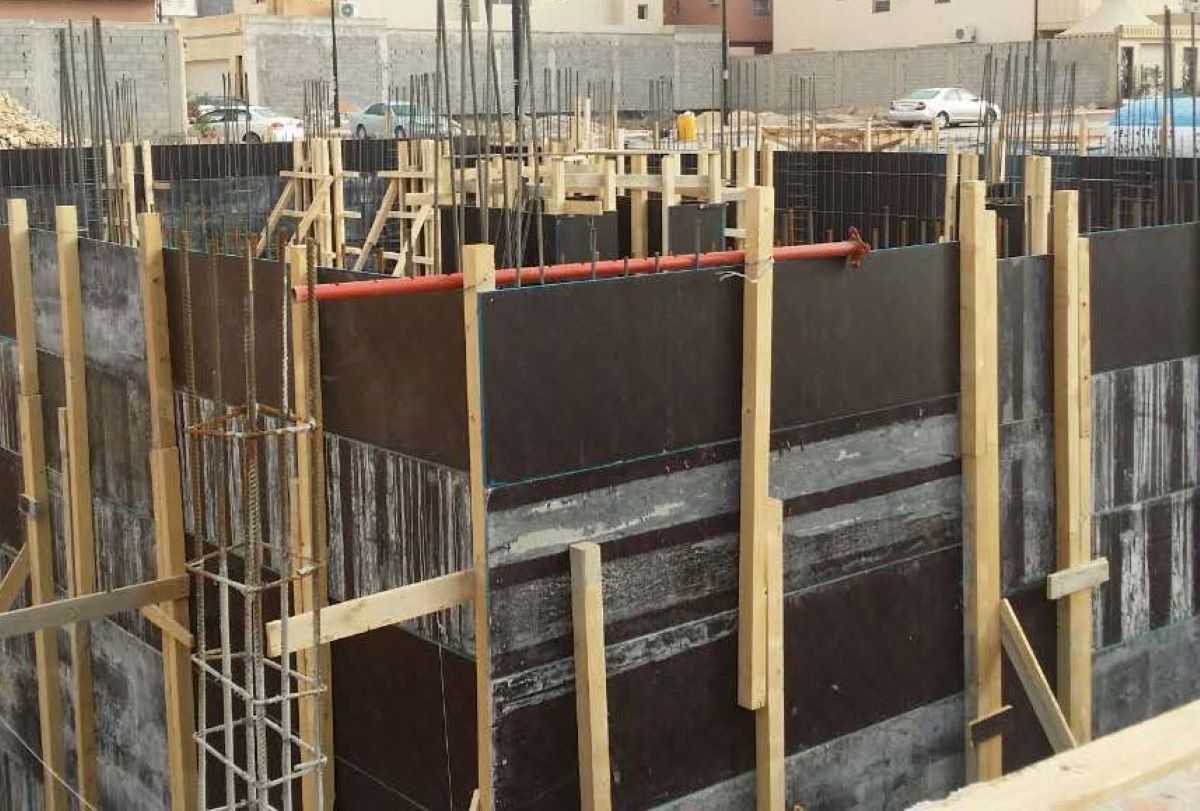
Choosing plywood formwork thickness is really about controlling deflection, keeping lines straight, and achieving the finish you need without over-spending on sheets or propping. There is no single universal thickness, but there are clear “site standard” ranges in Australia for slabs, walls, and columns.
What Thickness Plywood Formwork Is Used for Concrete Slabs?
For slab soffits, most Australian sites sit in the 17mm to 19mm formply range because it balances stiffness, handling, and reuse. Thickness is usually the first spec that affects how much the sheet sags between joists and how “true” the finished underside looks.
Plywood formwork (often called concrete form plywood or formply in Australia) is a structural plywood with a resin film face designed for wet concrete contact. If you are chasing a cleaner architectural finish, High Density Overlay (HDO) plywood can reduce marking and patching, especially on exposed slabs.
If you are forming curved or feature slab edges, that is a different use case. Curved concrete forms often use thinner, bendable plywood (or kerf-cut sheets) so the material can take a radius without cracking, then rely on tighter framing to hold shape.
Common slab thickness choices (AU site reality)
On typical residential and commercial slab decks, 17mm formply is the everyday go-to. It performs well when joist spacing and propping match the span tables or engineering details, and it is usually cost-effective over multiple pours.
19mm formply is common when spans are larger, construction loads are higher, or the finish tolerance is tighter. It can also help when site conditions are rough and you want more “forgiveness” against minor installation imperfections.
12mm to 15mm sheets show up mainly in light-duty situations, very tight joist spacing, small pours, or temporary/non-structural applications. If spacing is wrong, thinner sheets are where you will see scalloping between joists, visible sag, and a slab soffit that needs grinding or patching.
F-grade matters too. Between F14 and F17 formwork plywood, a higher grade generally means better structural performance, so you can sometimes reduce deflection by selecting the right grade rather than automatically jumping to a thicker sheet.
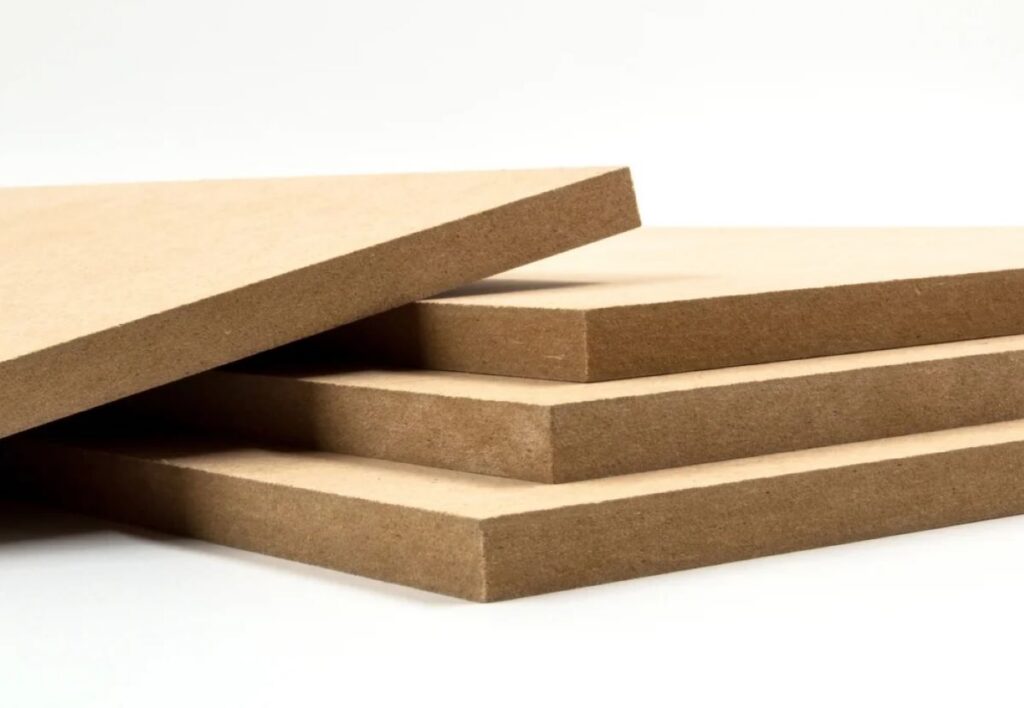
How LVL formwork changes the thickness decision for slabs
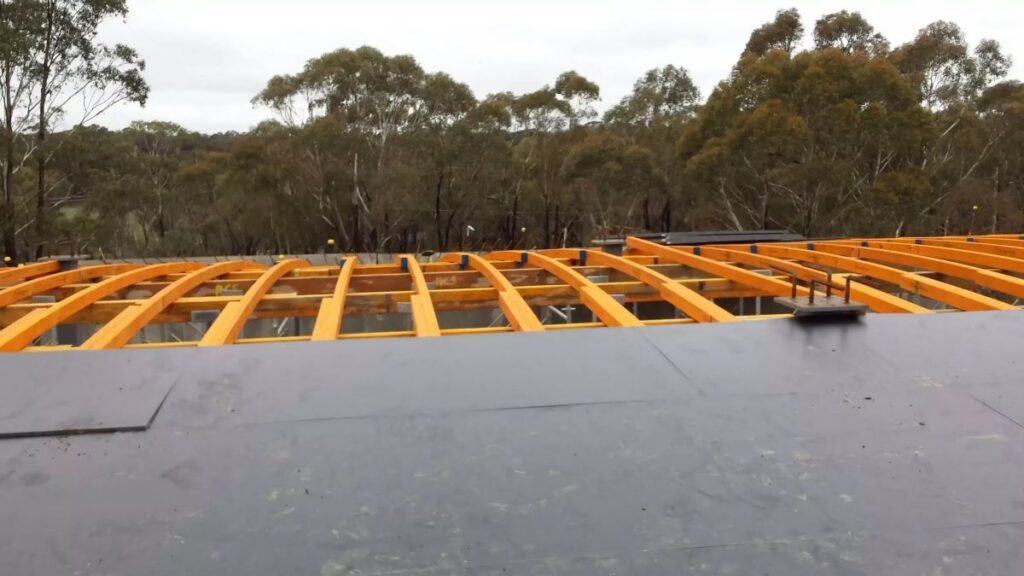
LVL formwork is often used for bearers and joists because it is straight, consistent, and predictable. That predictability can let you design and install to known spans and reduce “bounce” that can cause sheet pumping during the pour.
Plywood performance on LVL framing still comes down to the basics: correct joist spacing, level bearing points, tight fixing, and enough props so loads transfer cleanly. If bearers are uneven or connections are loose, even thick formply will telegraph problems into the slab finish.
There is also a cost angle. With engineered LVL formwork layouts, you can sometimes avoid over-specifying plywood thickness or over-propping, because the system is doing more of the work through proper spacing and stiffness.
What Thickness Plywood Formwork Is Best for Concrete Walls and Columns?
For walls and columns, 17mm to 19mm formply is again the most common range, but the reason changes. Vertical pours face lateral pressure from wet concrete, and that pressure climbs fast with higher pour rates, higher slump mixes, and heavy vibration.
Compared with slabs, thinner sheets are more prone to bowing between studs and walers, which shows up as a wavy wall line or misalignment at joints. If the wall is architectural or exposed, the cost of patching, rubbing, or grinding often outweighs the saving from using thinner ply.
When the priority is finish, a good film face helps, and HDO plywood can be worth it if it reduces blowholes, grain transfer, and general surface marking. It only works if the whole system is tight: clean faces, correct release agent, sealed edges, and no grout loss at joints.
Curved concrete forms: thickness trade-offs (bend vs stability)
Curved walls and feature columns usually need thinner ply (or multiple thin layers) so the sheet can bend to the required radius without cracking. The trade-off is stability: as thickness drops, framing density usually needs to increase to prevent flat spots and keep the curve fair.
On tight radii, builders often laminate multiple thinner sheets together over ribs or form frames. This can give you curvature plus strength, but the lamination process and film face quality matter because poor bonding can lead to early delamination or fastener pull-out when the sheet is stressed.
Reuse depends on how aggressive the bend was. A sheet forced into a tight radius, then stripped and flattened, generally has a shorter life than a flat wall panel used on repeat pours.
F14 vs F17 formwork plywood: where grade matters for walls
F-grade is a structural rating linked to bending performance, so it matters most where pressure is high, like tall walls or columns. If you keep the same thickness, stepping from F14 to F17 can help reduce bowing and keep alignment, especially where stud spacing is fixed.
F17 can be justified on high-pressure pours even when the drawings still call up 17mm. It is a way to gain stiffness without changing panel thickness, which can be useful for set-out, tie locations, and system compatibility.
F14 can still be fit for purpose on budget jobs or lighter pressures, but it relies more heavily on tighter framing, correct walers, good bracing, and disciplined pour rates. The key is compliance with the project specs and using certified, stamped material rather than ungraded “concrete plywood”.
How Much Weight Can Standard Plywood Formwork Support?
There is no single load number for “standard plywood formwork” because capacity depends on thickness, F-grade (such as F14 or F17), span and joist spacing, LVL framing stiffness, the condition of the sheet, and how the pour is placed and vibrated. Two sites using the same 17mm sheet can get very different results if spacing and installation quality differ. For a broader understanding of construction systems, explore this guide on lightweight framing materials and their role in modern building design.
On-site, the loads that matter are not just the wet concrete weight. You also have workers, bar chairs and reo, placing hoses or pumps, wheelbarrows, impact loads from dumping, and vibration forces that can momentarily spike pressure and cause pumping.
If you want a practical rule, improving the support system often beats simply buying thicker plywood.
The real determinants: span, spacing, and installation quality
If you are trying to increase capacity or reduce deflection, these moves usually give the biggest wins:
- Reduce joist spacing to shorten the plywood span, which often increases stiffness more efficiently than jumping from 17mm to 19mm.
- Add props or improve bearer continuity so loads distribute evenly, rather than concentrating on a few points.
- Fix sheets tightly to framing to reduce movement, joint opening, and grout loss that damages edges.
LVL formwork helps because it stays straighter and keeps spacing consistent, but it still needs correct bracing and proper connections at bearers, walers, and props. The hidden killers are uneven bearers, missing props, over-vibration, and saturated sheets that soften and lose stiffness.
Does Plywood Formwork Thickness Affect Reusability?
Yes, thickness affects reusability, but it is not the whole story. Thicker and higher-grade sheets usually survive more cycles because they resist denting, edge blow-out, and face checking, but poor handling can destroy any sheet quickly.
Most formply “dies” from the edges and the face. Prying during stripping, forklift tine damage, dropping packs, leaving concrete build-up on the film face, and using the wrong release agent will shorten life faster than a thickness choice.
Weather exposure matters too. Leaving sheets in sun and rain accelerates swelling at edges and can start delamination. On long-duration sites, storing packs under cover and using chain and shade mesh (50% or 90% coverage) can protect materials from UV, wind-driven debris, and general site damage. UV-resistant mesh options are especially useful where storage is outdoors for months.
How to get more reuses from the same thickness
To extend reuse cycles without changing thickness, focus on simple habits:
- Seal and protect edges, and avoid levering against corners when stripping.
- Handle packs properly: no dragging, no fork impacts, and lift from the right points.
- Keep faces clean and apply release agent correctly, so concrete does not bond and tear the film.
- Control pour rate and vibration to reduce blowouts and face damage.
- Store sheets flat, dry, and protected; shade mesh and scaffold netting can help protect both workers and materials, and can reduce noise on urban sites.
See Also : How Much Weight Can LVL Timber Formwork Support?
What Factors Should Builders Consider When Choosing Plywood Formwork Thickness?
Choose thickness by working backwards from what the pour will demand, then optimise with framing and installation rather than guessing. In practice, you are balancing pour type, pressure, finish, spans, and the number of reuses you want.
A practical decision framework looks like this:
- Pour type: slab soffit vs walls/columns (vertical pressure changes everything).
- Height, pour rate, slump, vibration: higher pressure pushes you towards thicker ply, higher grade, or tighter stud/waler spacing.
- Finish requirement: standard off-form vs architectural. Consider HDO when surface quality matters.
- Framing system: LVL sizes and spacing, bearer continuity, and propping layout.
- Reuse target: higher cycles justify better sheets and better protection practices.
- Site conditions: rain, heat, coastal exposure, and storage realities.
- Compliance: certified stamps, project specs, and engineering details.
It also helps to keep the big picture in mind. Formwork thickness controls shape and finish, but reo bar placement and fixing deliver the structural performance of reinforced concrete. In coastal projects, rust-resistant reo bar can extend infrastructure lifespan, and durable formwork practices help you achieve cover and alignment without costly repairs.
Project requirements that push you thicker (or allow thinner)
Go thicker when you have bigger spans, higher pour pressure, a higher reuse target, tighter finish tolerances, or heavier site traffic. Thickness becomes a form of insurance when you know conditions will be hard on the deck or shutters.
You can stay thinner when spans are short, joist or stud spacing is tight, pours are small, and the system is well braced. Even then, confirm with span data and project specs rather than relying on habit.
Curved concrete forms are the exception where you may go thinner to achieve radius, then “buy back” strength with denser framing, better fastening, and careful stripping and storage.
Buying checklist (especially for Australian jobs)
When you buy formply in Australia, the fastest way to avoid rework is to treat procurement like a quality control step:
- Confirm the grade and stamp (for example F14 vs F17) and that it is intended for structural formwork use. Avoid ungraded “concrete plywood” with unclear compliance.
- Inspect the film face/overlay, edge sealing, and sheet flatness. Poor lamination often shows up later as delamination and surface defects.
- Keep batches consistent for large pours so the finish matches across panels and cycles. Reliable supply reduces downtime and cost blowouts.
- Plan site protection. Scaffold netting and chain and shade mesh can improve worker safety and protect stored sheets from sun and damage, which supports reuse.
If you want a sensible default mindset: start at 17mm for most slab and wall work, move to 19mm when spans or pressures rise or finish is critical, and only go down to 12mm to 15mm when spacing and loads are clearly controlled. Then get the real savings by tightening spacing, installing LVL and props correctly, and looking after the sheets you already paid for.