
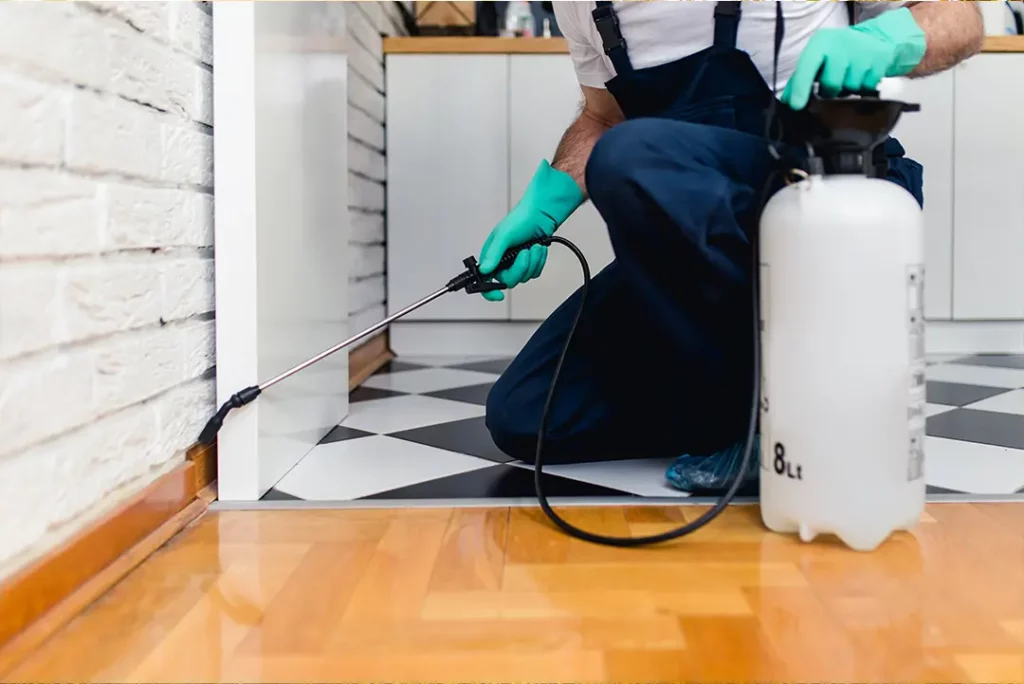
For households and businesses, the key point is simple: winter drives mice to seek warmth, food, and shelter, and buildings offer all three. Understanding why activity increases makes it easier to prevent infestations and act quickly when signs appear.
Why do mice become more active in Sydney during winter?
As temperatures drop, professional mice removal Sydney services become especially important because mice shift from outdoor foraging to indoor survival. Their need for stable warmth and reliable food pushes them closer to people, increasing the risk of infestation in homes and businesses.
Sydney’s winter is mild compared to colder climates, but it still reduces outdoor food and increases rainfall. That combination encourages mice to explore roof voids, wall cavities, garages, and kitchens where conditions stay consistent.
Why do mice enter homes more in cold weather?
They enter because buildings hold heat and hide them from predators. Even a small temperature difference makes roof spaces and wall voids attractive nesting zones.
Homes also provide easy access to calories. Pet food, crumbs under appliances, compost caddies, and pantry staples can support a colony, especially when outdoor sources become less predictable.
What makes Sydney properties vulnerable in winter?
Many Sydney homes have entry points that go unnoticed until mice use them. Small gaps around pipes, older vents, subfloor openings, and worn weather seals are common weak spots.
Winter also changes human habits. People close windows, store more food indoors, and run heating, all of which can make interiors quieter and warmer, helping mice settle and move around without being seen.
How do mice get inside, and how small a gap is enough?
Mice can squeeze through very small openings, often around the width of a pen. They exploit gaps under doors, cracks in brickwork, and spaces where services enter the building.
They also climb well. Overhanging branches, fences, and stacked items near walls can act as ladders, letting them reach eaves and rooflines where broken tiles or gaps near flashing provide access.
What are the most common winter signs that mice are present?
The most common signs are droppings, scratching sounds at night, and gnaw marks. Droppings are often found in cupboards, drawers, behind ovens, and along skirting boards.
Other signs include shredded paper or insulation used for nesting, greasy rub marks along walls, and a stale, musky smell in enclosed areas. In businesses, activity often shows up first in storerooms and bin areas.
Why can a winter mouse problem escalate quickly?
It can escalate quickly because mice breed fast and stay hidden. A small, early intrusion can become an ongoing issue if they establish a nest in a wall cavity or roof void.
Winter also encourages them to remain indoors for longer stretches. When food and warmth are steady, they travel the same routes, expanding from one room to another and increasing contamination risk over time.
What risks do mice create for Sydney households and businesses?
They create health, safety, and property risks. Mice contaminate surfaces and stored food with droppings and urine, and they can spread bacteria through kitchens, pantries, and food prep spaces.
They also chew constantly. That can damage cabinetry, insulation, and wiring, which raises fire risk. For businesses, especially hospitality and retail, the reputational impact of a visible rodent issue can be immediate.
Why is DIY baiting often not enough in winter?
DIY baiting can reduce numbers, but it often misses the cause. If entry points stay open and food sources remain accessible, new mice can replace those removed.
Placement also matters. Mice follow edges and sheltered runs, so baits left in open areas may be ignored. Poorly managed baiting can also create odour issues if mice die in inaccessible voids.
What does professional mice removal in Sydney usually involve?
It usually involves inspection, targeted treatment, and exclusion. A proper inspection identifies how they are entering, where they are nesting, and what is sustaining them.
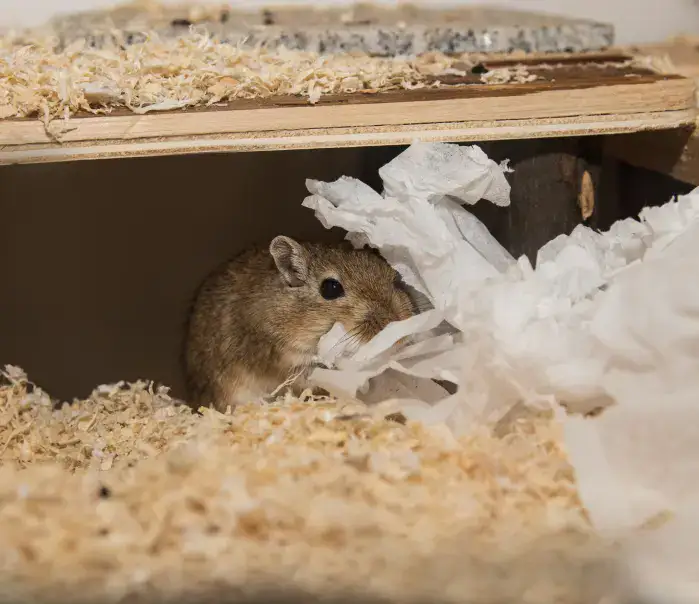
Treatment may include traps, secured bait stations, and monitoring, chosen to suit the site and risk level. Exclusion then seals entry points, reducing the chance of repeat winter activity once the immediate problem is controlled. Click here to get about fumigation Sydney: when is it the right option?
How can they reduce mouse activity during winter without major renovations?
They can reduce activity by focusing on access, food, and harbourage. Draft seals on external doors, mesh on vents, and sealing service gaps with appropriate materials can block common entry points.
Inside, they can store food in hard containers, manage pet food carefully, and clean crumbs under appliances. Outside, they can keep bins closed, remove clutter near walls, and trim vegetation that touches the building.
When should they call a mice removal service in Sydney?
They should call when signs persist for more than a day or two, or when activity is clearly inside walls, ceilings, or roof spaces. Multiple droppings, repeated noises, or sightings in daylight suggest a growing issue.
They should also act quickly if there are children, pets, or food handling areas involved. Early intervention in winter often prevents a longer, more expensive infestation that lingers into spring.
What is the simplest winter plan to prevent mice returning?
The simplest plan is to seal entry points, remove easy food, and keep monitoring. Exclusion is the foundation, because it stops the next wave when the weather changes again.
After any removal work, they should keep an eye on likely hotspots like pantries, laundries, and garages. A quick response to fresh droppings or new gnaw marks is often what keeps winter activity from becoming a yearly pattern.
FAQs (Frequently Asked Questions)
Why do mice become more active indoors during Sydney’s winter?
Mice become more active indoors during Sydney’s winter because they seek stable warmth, reliable food, and shelter as outdoor conditions become less favourable. The mild winter reduces outdoor food availability and increases rainfall, prompting mice to explore roof voids, wall cavities, garages, and kitchens where conditions remain consistent.
How do mice typically enter Sydney homes in colder months?
Mice enter Sydney homes through very small openings often around the width of a pen. Common entry points include gaps under doors, cracks in brickwork, spaces around pipes, older vents, subfloor openings, and worn weather seals. They also use overhanging branches, fences, or stacked items as ladders to access eaves and rooflines where broken tiles or gaps near flashing provide entry.
What are the common signs indicating a mouse infestation during winter?
Common signs of mouse infestations in winter include droppings found in cupboards, drawers, behind ovens, and along skirting boards; scratching noises at night; gnaw marks on pantry packaging or cabinetry; shredded paper or insulation used for nesting; greasy rub marks along walls; and a stale musky smell in enclosed areas. In businesses, signs often first appear in storerooms and bin areas.

Why can a mouse problem escalate quickly during Sydney’s winter?
Mouse problems can escalate quickly in winter because mice breed rapidly and remain hidden within wall cavities or roof voids. The steady availability of food and warmth indoors encourages them to stay longer and travel familiar routes from one room to another, increasing contamination risks and expanding the infestation if not addressed promptly.
Why is DIY baiting often insufficient for controlling mice in winter?
DIY baiting is often insufficient because it may reduce numbers temporarily but fails to address underlying causes like open entry points and accessible food sources. Incorrect bait placement—such as leaving baits in open areas rather than along edges or sheltered runs—can lead to ignored baits. Additionally, unmanaged baiting risks odour problems if mice die in inaccessible voids.
What steps does professional mice removal in Sydney typically involve during winter?
Professional mice removal usually involves a thorough inspection to identify entry points, nesting sites, and food sources. Treatment includes using traps and secured bait stations tailored to the site’s risk level. Crucially, exclusion methods seal off all entry points to prevent re-infestation. This comprehensive approach ensures effective control of the immediate problem and reduces the chance of recurring activity during subsequent winters.