
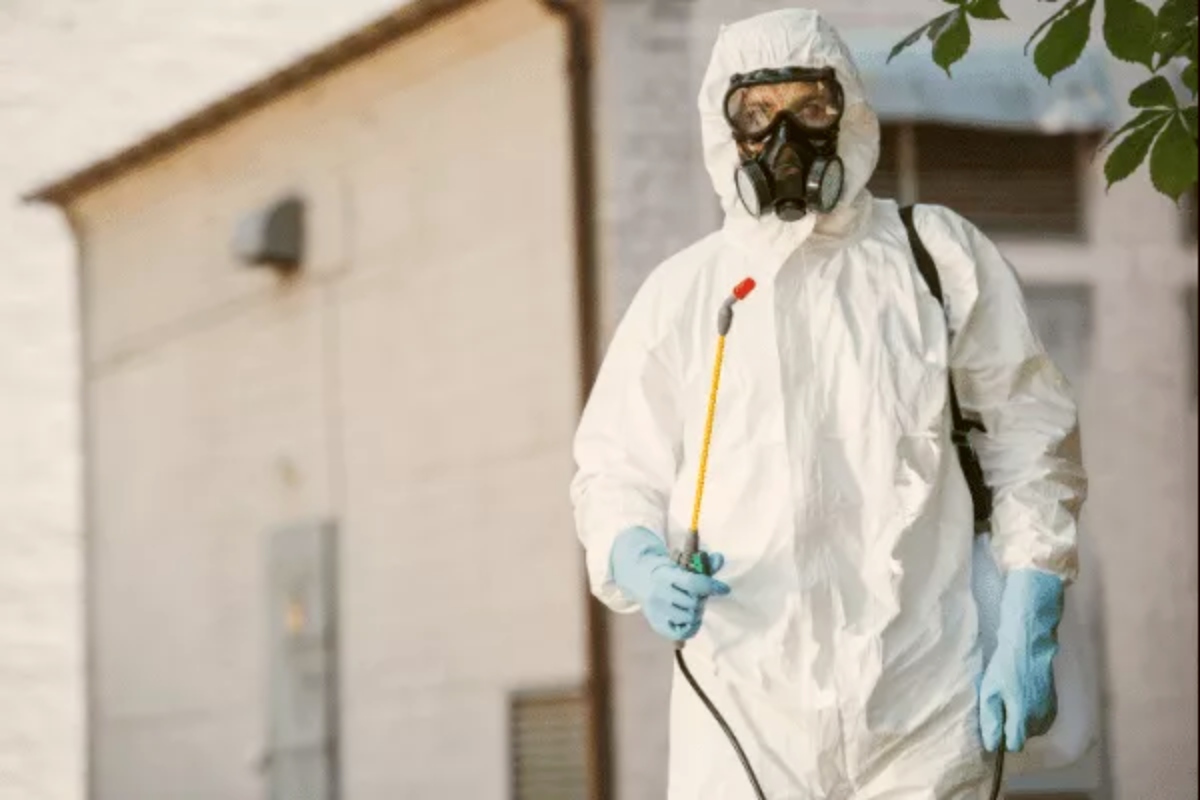
The key is matching the method to the pest, the property, and the risk. Fumigation can be fast and thorough, but it also requires full vacating, strict safety steps, and a licensed professional.
What exactly is fumigation, and how does it work?
When severe infestations require whole-structure treatment, fumigation Sydney services may be recommended. Fumigation is a pest control method that uses a gas (fumigant) to penetrate enclosed spaces and kill pests. It works by reaching insects and eggs in cracks, voids, and inside items where sprays and baits cannot reliably get.
In practice, the area or item is sealed, the fumigant is introduced, and the site is later ventilated and tested before re-entry.
When is fumigation in Sydney the right option?
It is most suitable when pests are hard to access and the aim is total knockdown, not just reducing activity. It is often chosen for severe infestations, high-value assets, or situations where other methods have failed.
It may also be the preferred route when time matters, such as preparing a property for tenants, selling, or meeting compliance requirements.
Which pests typically require fumigation?
Fumigation is commonly considered for pests that live inside timber, furniture, stored goods, or structural voids. It is also used where eggs are a major issue and surface treatments do not break the cycle.
Typical targets include timber borers, certain beetles, stored-product pests (like weevils), and sometimes bed bugs in challenging, widespread cases.
What are the signs that other treatments are not enough?
Repeated sightings after multiple treatments is the clearest sign. If a property has been treated correctly but the problem returns, the infestation may be coming from within walls, flooring, roof voids, or infested belongings.
Other red flags include unexplained new bite reports, fresh insect frass or powder near timber, and pests appearing across multiple rooms with no obvious harbourage.
Is fumigation used for whole homes, or just specific areas and items?
Both are possible, but it depends on the pest and logistics. Many Sydney cases involve localised fumigation of items like furniture, mattresses, antiques, or packaged goods, using a sealed chamber or wrapping system.
Whole-structure fumigation is more complex and is usually reserved for serious, widespread issues or when the source cannot be isolated.
What situations make fumigation a poor choice?
It is often unnecessary for minor or moderate infestations that respond to targeted sprays, baits, dusts, or exclusion work. If the main issue is entry points, hygiene, or moisture, fumigation may kill current pests but not stop reinfestation.
It is also a poor fit when occupants cannot vacate, when sealing is impractical, or when the pest can be solved more safely with integrated pest management.
What should they expect before, during, and after fumigation?
They should expect preparation and downtime. Before fumigation, a licensed operator will provide a checklist, including removal or protection of food items, medicines, and sensitive materials.
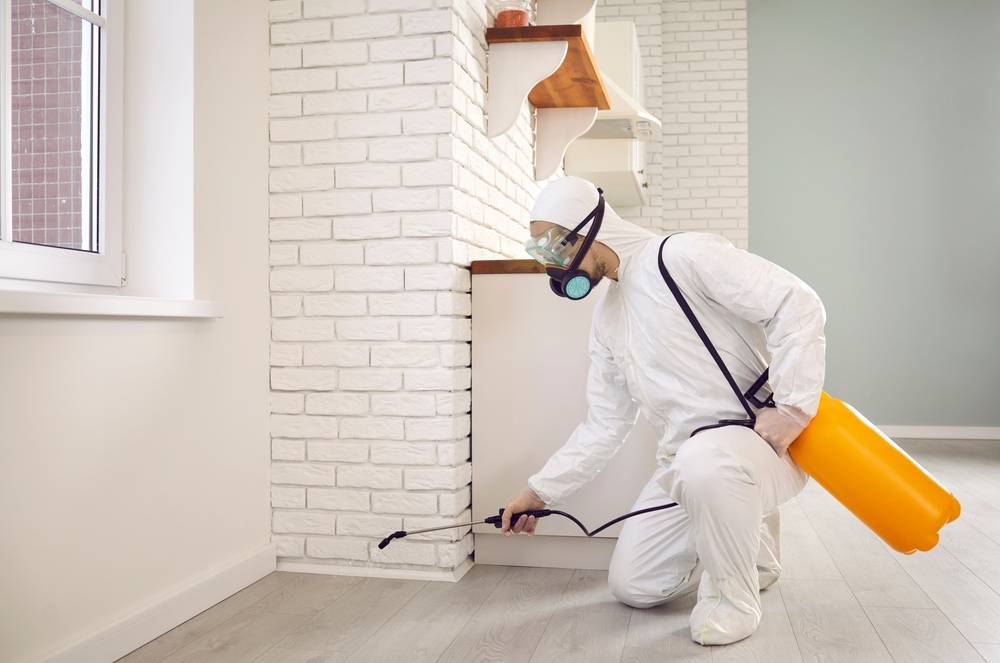
During fumigation, the site is sealed and must remain vacant. Afterward, the property is ventilated, cleared through safety procedures, and only then approved for re-entry, often with follow-up advice to prevent recurrence. Click here to get about mice removal Sydney: why winter increases activity.
How do they decide between fumigation and alternatives?
They should start with correct pest identification and a clear scope of infestation. If the pest is accessible and the source is known, targeted treatments and exclusion are usually preferred.
Fumigation becomes more compelling when the source is hidden, the life cycle is hard to interrupt, or the cost of ongoing call-backs exceeds the cost and disruption of a single thorough treatment.
What questions should they ask a fumigation provider in Sydney?
They should ask what pest is being treated and why fumigation is recommended over other methods. They should also confirm the licence details, the fumigant being used, the safety and clearance process, and exactly how long the property must be vacant.
It is also worth asking what preparation is required, whether follow-up inspections are included, and what steps will reduce the risk of reinfestation afterwards.
FAQs (Frequently Asked Questions)
What is fumigation and how does it effectively control pests in Sydney?
Fumigation is a pest control method that involves using a gas, known as a fumigant, to penetrate enclosed spaces and eliminate pests. It is particularly effective in reaching insects and their eggs hidden deep within cracks, voids, timber, furniture, or stored goods where sprays and baits cannot access. The process includes sealing the area or item, introducing the fumigant, then ventilating and testing the site before re-entry to ensure safety.
When should I consider fumigation as the right pest control option in Sydney?
Fumigation is ideal when pests are difficult to access and complete eradication is necessary rather than just reducing their activity. It is commonly chosen for severe infestations, protecting high-value assets, or when other treatment methods have failed. Additionally, fumigation is suitable when time constraints exist, such as preparing a property for tenants, sale, or meeting compliance requirements.
Which types of pests typically require fumigation treatment?
Fumigation is often used against pests that inhabit timber, furniture, stored products, or structural voids. This includes timber borers, certain beetles, stored-product pests like weevils, and challenging bed bug infestations where eggs are a major concern and surface treatments fail to break the life cycle.
How can I tell if other pest treatments are insufficient and fumigation might be necessary?
Repeated pest sightings after multiple correctly applied treatments indicate that the infestation may be hidden within walls, flooring, roof voids or infested belongings. Other signs include new unexplained bite reports, fresh insect frass or powder near timber areas, and pests appearing across multiple rooms without obvious harbourage.
Is fumigation performed on entire homes or can it be limited to specific items or areas?
Both approaches are possible depending on the pest type and logistical considerations. Many cases in Sydney involve localized fumigation of items such as furniture, mattresses, antiques or packaged goods using sealed chambers or wrapping systems. Whole-structure fumigation is more complex and typically reserved for serious widespread infestations where the source cannot be isolated.
What preparations and safety measures should I expect before, during, and after fumigation?
Before fumigation, a licensed professional will provide a detailed checklist including removal or protection of food items, medicines and sensitive materials. During treatment, the property must be fully vacated and sealed to contain the fumigant. Afterward, thorough ventilation occurs followed by safety testing before re-entry is permitted. Follow-up advice is usually given to help prevent reinfestation.